
Industry Overview
India is known as the "Spice Bowl of the World", producing 75 of the 109 varieties of spices listed by the International Organization for Standardization (ISO). Indian spice exports crossed $4.3 billion in 2025, making it a lucrative opportunity for traders and manufacturers.
The Spices Board of India, under the Ministry of Commerce, is the apex body for development and promotion of Indian spices. Registration with Spices Board is strongly recommended for serious exporters.
💡 Market Position
India accounts for 46% of global spice production by volume and 12% by value. Key competitive advantages include variety, aroma quality, and favorable growing conditions across different regions.
Top Export Spices
🌶️ By Value
- Chilli (₹7,500+ Cr)
- Cumin (₹4,800+ Cr)
- Turmeric (₹2,200+ Cr)
- Spice Oils & Oleoresins
- Pepper
📦 By Volume
- Chilli
- Cumin
- Turmeric
- Coriander
- Fenugreek
Specialty Spices (Premium Pricing)
- Kerala Cardamom: Green cardamom from Idukki, world's finest
- Malabar Pepper: Premium black pepper, GI tagged
- Kashmir Saffron: Highest crocin content, GI protected
- Guntur Chilli: Known for consistent heat and color
Certifications Required
IEC (Import Export Code)
Basic requirement for any export business. Apply through DGFT portal.
Spices Board Registration
Recommended for accessing export promotion schemes, market intelligence, and buyer connections.
FSSAI License
Mandatory for food product exports. Central license needed for interstate trade.
Phytosanitary Certificate
Plant quarantine certificate from DOA for each shipment to confirm pest-free status.
Market-Specific Certifications
USDA Organic for USA, EU Organic for Europe, Halal for Islamic countries, JAS for Japan.
Quality Standards
Meeting international quality standards is essential for export success:
Physical Parameters
- Moisture content (8-12%)
- Foreign matter limits
- Damaged goods percentage
- Color value (ASTA units)
Chemical/Safety Parameters
- Pesticide residue (MRL)
- Aflatoxin levels
- Heavy metal content
- Microbial count
⚠️ EU Regulations
The EU has strict MRL (Maximum Residue Limits) for pesticides. Get products tested at NABL accredited labs before export. Rejection at EU ports damages reputation and finances.
Top Import Markets
USA
Largest market by value. Demands high quality, organic certifications. Strong demand for turmeric, cumin, spice blends.
China
Major buyer of chilli and cumin. Price sensitive but high volume. Growing demand for value-added products.
Bangladesh
Traditional market for whole spices. Proximity advantage for logistics. Growing processing capacity.
UAE & GCC
Premium market with diaspora demand. Re-export hub to Africa. High margins on packaged products.
UK & Europe
Mature market with strict quality norms. Organic and fair-trade premiums available. Growing ethnic food segment.
Packaging Requirements
- Food-Grade Materials: Use FSSAI compliant packaging
- Airtight Sealing: Preserve aroma and prevent moisture
- Proper Labeling: Include product name, origin, batch number, MFG/EXP dates
- Container Selection: PP bags for bulk, vacuum packs for retail
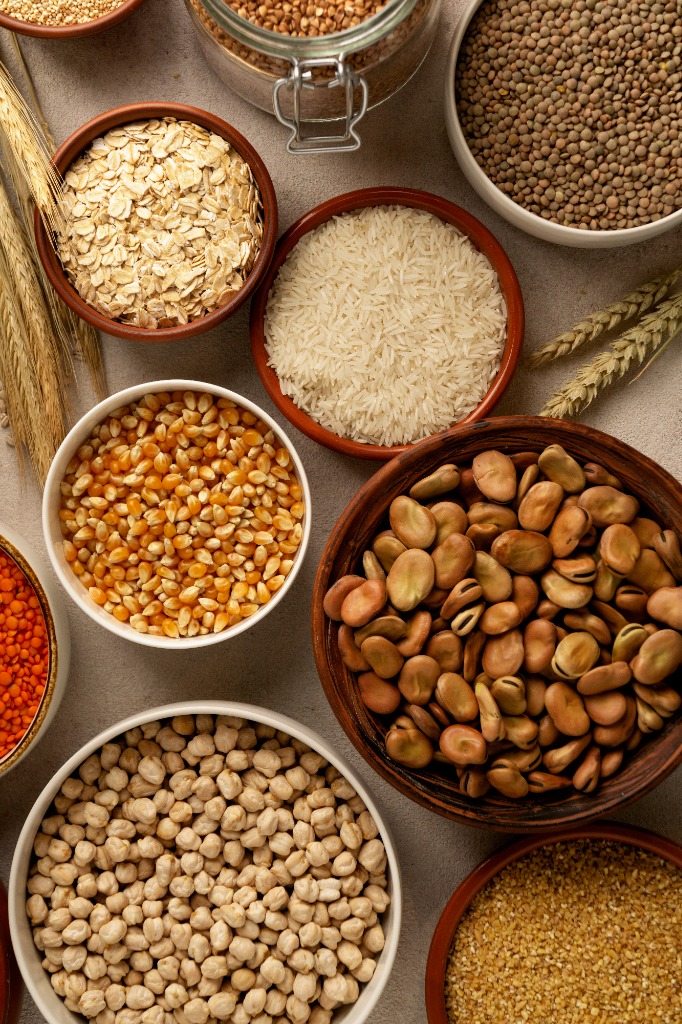
Explore Our Agro Products
Connect with verified spice suppliers and exporters:
Conclusion
The spice export business offers excellent margins for those who meet quality standards. Focus on certification compliance, quality testing, and proper packaging to build a sustainable export business.
Ready to Export Spices?
Connect with our experts for guidance on certifications, buyer connections, and market entry.